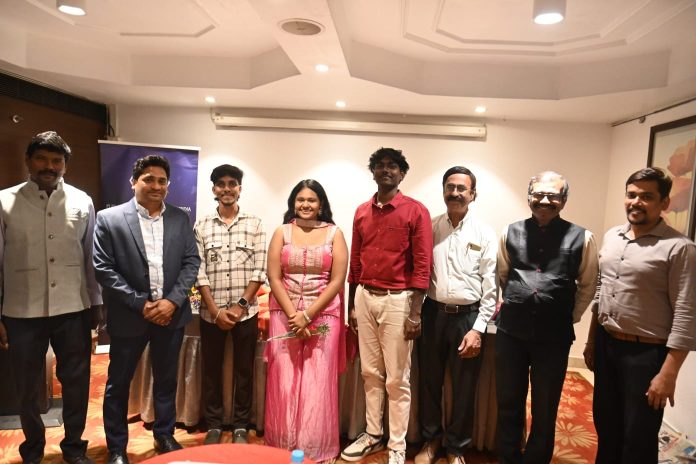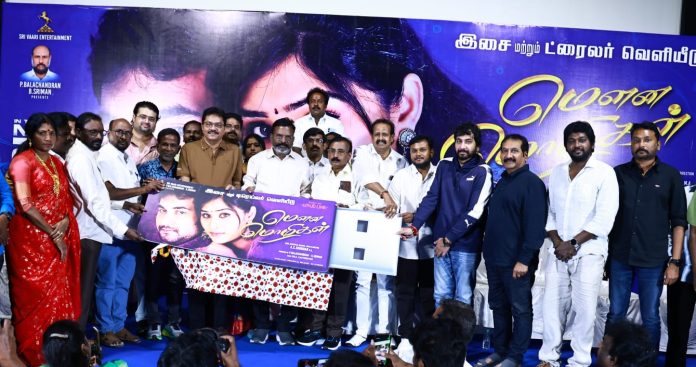
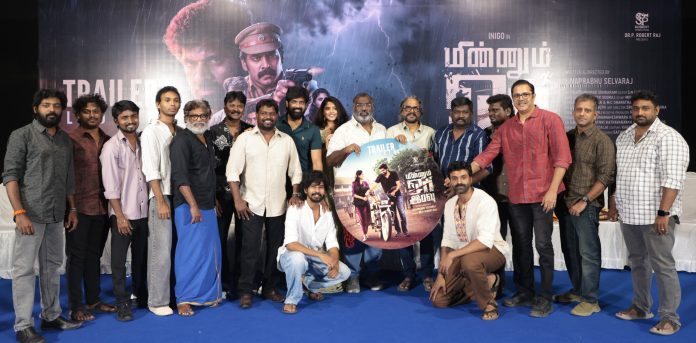
ராபர்ட் புரொடக்ஷன்ஸ் நிறுவனம் சார்பில் தயாரிப்பாளர் டாக்டர் பி. ராபர்ட் ராஜ் தயாரிப்பில், அறிமுக இயக்குநர் சிவபிரபு செல்வராஜ் இயக்கத்தில், இனிகோ பிரபாகர் நடிப்பில் உருவாகியுள்ள ‘மின்னும் ஓர் இரவு’ திரைப்படத்தின் இசை மற்றும் முன்னோட்ட வெளியீட்டு விழா சென்னையில் சிறப்பாக நடைபெற்றது.
அறிமுக இயக்குநர் சிவபிரபு செல்வராஜ் இயக்கியுள்ள ‘மின்னும் ஓர் இரவு’ திரைப்படத்தில் இனிகோ பிரபாகர், அஞ்சு கிருஷ்ணா அசோக், ‘பிக் பாஸ்’ சத்யா, சுப்பிரமணிய சிவா, சரவண சக்தி, ராஜன், உதயராஜ், ‘அருவி’ பாலா, யாசர், பிரதிக்ஷா, பசுபதி ராஜ் உள்ளிட்ட பலர் நடித்திருக்கிறார்கள்.
சுரேஷ் குமார் சுந்தரம் ஒளிப்பதிவு செய்திருக்கும் இப்படத்திற்கு பிரணவ் சூரஜ் இசையமைத்திருக்கிறார். படத்தொகுப்புப் பணிகளை எஸ்.என். ஃபாசில் கவனித்திருக்கிறார். கிரைம் திரில்லர் ஜானரில் உருவாகியுள்ள இப்படத்தை ராபர்ட் புரொடக்ஷன்ஸ் நிறுவனம் சார்பில் டாக்டர் பி. ராபர்ட் ராஜ் தயாரித்திருக்கிறார். எவ்ரிடே சினிமா நெட்வொர்க்ஸ் நிறுவனம் சார்பில் விநியோகஸ்தர் குகன் இப்படத்தை வழங்குகிறார்.
எதிர்வரும் நவம்பர் 27ஆம் தேதி முதல் உலகம் முழுவதும் திரையரங்குகளில் வெளியாகும் என அறிவிக்கப்பட்டுள்ள இப்படத்தின் இசை மற்றும் முன்னோட்ட வெளியீட்டு விழா சென்னையில் நடைபெற்றது. இவ்விழாவில் படக்குழுவினருடன் இயக்குநர்கள் எஸ்.ஆர். பிரபாகரன், மணிகண்டன் மற்றும் ‘எகெய்ன் ஃபிலிம் மேக்கர்ஸ்’ அரவிந்த் ஆகியோர் சிறப்பு விருந்தினர்களாகக் கலந்து கொண்டனர். இதனைத் தொடர்ந்து இயக்குநர்கள் மணிகண்டன் மற்றும் எஸ்.ஆர். பிரபாகரன் ஆகியோர் இணைந்து படத்தின் முன்னோட்டத்தை வெளியிட்டனர்.
தயாரிப்பாளர் டாக்டர் பி. ராபர்ட் ராஜ் பேசுகையில்,
”நாகர்கோவிலைச் சேர்ந்த நான், கடந்த ஆண்டு ஒரு திரைப்படத்தைத் தயாரிக்க வேண்டும் எனத் திட்டமிட்டிருந்தேன். அதன் பிறகு இயக்குநர் சிவபிரபு என்னைச் சந்தித்து ‘மின்னும் ஓர் இரவு’ படத்தின் கதையைச் சொன்னார். கதை நன்றாக இருந்தது. ஒரு கிராமத்தில் ஓர் இரவில் ஒருவருக்குப் புதையல் கிடைக்கிறது. அது எப்படி கிடைத்தது? அது நல்லதா, கெட்டதா? என்பதுதான் கதையின் சுவாரசியமான அம்சம். அதன் பிறகு படத்தின் பணிகளைத் தொடங்கினோம்.
படத்தின் கதை முழுவதும் இரவில் நடைபெறுவதால், இப்படத்தின் படப்பிடிப்பு முழுவதும் இரவு நேரத்திலேயே நடைபெற்றது. நான் சில நாட்கள் படப்பிடிப்புத் தளத்திற்குச் சென்று படத்தின் பணிகளைப் பார்வையிட்டிருக்கிறேன். இது ஒரு நல்ல, இனிமையான பயணமாக இருந்தது. படக்குழுவினர் அனைவரும் கடுமையாக உழைத்து இப்படத்தை உருவாக்கியுள்ளனர். அனைவருக்கும் நன்றி.
படத்தின் பாடல்களும் நன்றாக இருக்கின்றன. ரசிகர்களுக்குப் பிடிக்கும் என நம்புகிறோம். நவம்பர் 27ஆம் தேதி திரையரங்குகளில் வெளியிடுகிறோம். உங்களுடைய அன்பும் ஆதரவும் எங்களுக்குத் தேவை” என்றார்.
நடிகர் உதயராஜ் பேசுகையில்,
”என் மீது நம்பிக்கை வைத்து இந்த வாய்ப்பை வழங்கிய இயக்குநருக்கும் தயாரிப்பாளருக்கும் நன்றி. படம் மிகவும் சுவாரசியமானதாக இருக்கும். படம் தொடங்கிய 15 நிமிடங்களிலிருந்து பார்வையாளர்களைப் பரபரப்பாக வைத்திருக்கும் வகையில் திரைக்கதை அமைந்துள்ளது. இரவு முழுவதும் நடைபெறும் கதை இது.
இந்தப் படத்தின் படப்பிடிப்பு பழனியில் நடைபெற்றபோது குளிர் அதிகமாக இருந்தது. படத்தின் நாயகனான இனிகோ அண்ணன் கடுமையாக உழைக்கக்கூடியவர். அர்ப்பணிப்புடன் பணியாற்றுபவர். அவருக்கு இந்தப் படம் ஒரு கம்பேக் படமாக இருக்கும். இந்தப் படம் அவருக்கு மிகப்பெரிய பெயரைப் பெற்றுத் தரும் என நம்புகிறேன்” என்றார்.
தயாரிப்பாளர் அரவிந்த் பேசுகையில்,
”இயக்குநர் சிவபிரபுவிற்கு வாழ்த்துகள். நீண்ட நாட்களாக முயற்சி செய்து இப்படத்தை உருவாக்கியிருக்கிறார். இப்படம் 27ஆம் தேதி வெள்ளித்திரையில் வெளியாகிறது. உங்களுடைய ஆதரவால் இந்தத் திரைப்படம் மின்ன வேண்டும் எனக் கேட்டுக்கொள்கிறேன்” என்றார்.
ஒளிப்பதிவாளர் சுரேஷ் குமார் சுந்தரம் பேசுகையில்,
”நண்பர்கள் ஒன்றாக இணைந்து ஐந்து நண்பர்களைப் பற்றிய கதையை ‘மின்னும் ஓர் இரவு’ என்ற திரைப்படமாக உருவாக்கியிருக்கிறோம். இந்தப் படத்தின் கதை 24 மணி நேரத்தில், அதாவது ஒரு இரவு மற்றும் ஒரு பகலில் நடைபெறுகிறது.
தொழில்நுட்ப ரீதியாக விவரிக்க வேண்டும் என்றால், எங்களுக்குக் கிடைத்த அனைத்து வசதிகளையும் வாய்ப்புகளையும் பயன்படுத்தி ஒளிப்பதிவு செய்திருக்கிறேன். படத்தின் திரைக்கதைக்கு என்ன தேவையோ, அதனைத் திரையில் பிரதிபலிக்க என்னவெல்லாம் செய்ய வேண்டுமோ, அவற்றைச் கச்சிதமாகச் செய்திருக்கிறோம்.
படத்தில் பணியாற்றிய அனைவருக்கும் நன்றி. அனைவரும் இணைந்து நல்லதொரு படைப்பை வழங்கியிருக்கிறோம்” என்றார்.
விநியோகஸ்தர் குகன் பேசுகையில்,
”மின்னும் ஓர் இரவு மிகவும் சுவாரசியமான கிரைம் திரில்லர் ஜானரில் உருவாகியுள்ள திரைப்படம். ஐந்து நண்பர்கள் ஒன்றாக இணைந்து மகிழ்ச்சியாக இருக்கிறார்கள். இந்தத் திரைப்படத்தின் மூலம் இயக்குநர், இசையமைப்பாளர் எனப் பல புதிய திறமையாளர்கள் அறிமுகமாகியுள்ளனர். இளம் திறமையாளர்கள் ஒன்றிணைந்து இப்படத்தை உருவாக்கியுள்ளனர்.
ஒரு கிராமத்தில், இரவு நேரத்தில் இவர்களுக்கு ஒரு விஷயம் கிடைக்கிறது. அது அந்த நண்பர்களை எத்தகைய விபரீதங்களுக்கு அழைத்துச் செல்கிறது என்பதைப் பரபரப்பாகவும் விறுவிறுப்பாகவும் விவரித்திருக்கிறார்கள்.
படத்தை விளம்பரப்படுத்துவதற்காக நாங்கள் கேட்கும் ஒவ்வொரு விஷயத்திற்கும் படக்குழுவினர் கடுமையாக உழைத்து வழங்கி வருகிறார்கள். இவை அனைத்தும் திரைக்குப் பின்னால் நடைபெறும் பணிகளாக இருந்தாலும், அதற்காக அவர்கள் காட்டும் ஈடுபாடும் உழைப்பும் அபாரமானது.
எங்கள் நிறுவனம் தொடர்ந்து புதிய தயாரிப்பு நிறுவனங்கள், புதிய இயக்குநர்கள் மற்றும் அறிமுகக் கலைஞர்களுடன் இணைந்து பணியாற்றி வருகிறது. எங்கள் நிறுவனம் சார்பில் அண்மையில் ‘ஆல்பாஸ்’ எனும் திரைப்படத்தை வழங்கினோம். இதற்கு ஊடகங்கள் நல்ல முறையில் ஆதரவு வழங்கின. இதன் காரணமாக அப்படத்தின் வெளிநாட்டு மற்றும் டிஜிட்டல் உரிமைகளை விற்பனை செய்வதும் எளிதாக இருந்தது.
இதேபோல் ஒவ்வொரு திரைப்படத்தையும் வணிக ரீதியாக வெற்றி பெறச் செய்ய இயலும் என்ற நம்பிக்கையில் பணியாற்றி வருகிறோம். இந்தப் படமும் அதுபோன்றதொரு களத்தில் இருக்கிறது. இளமையான படக்குழுவினர் அர்ப்பணிப்புடன் பணியாற்றியிருக்கிறார்கள். இனிகோவிற்கு வாழ்த்துகள். அவருடைய அனுபவம் இந்தப் படத்திற்கு மிகவும் உதவியாக இருந்திருக்கிறது.
திரைப்படத் துறையைப் பற்றி இரண்டு முக்கியமான விஷயங்களைப் பகிர்ந்துகொள்ள விரும்புகிறேன். இன்று டிக்கெட் முன்பதிவுத் தளங்களில் ரேட்டிங் என்ற நடைமுறை பின்பற்றப்படுகிறது. இது பெரிய படங்களையும் சிறிய படங்களையும் வித்தியாசப்படுத்துகிறது. இந்த நடைமுறைக்கு எதிராக, அதாவது ரேட்டிங் முறை கூடாது எனப் பெரிய பட்ஜெட்டில் திரைப்படங்களைத் தயாரிக்கும் நிறுவனங்கள்கூட நீதிமன்றத்தை நாட முடியும்.
தமிழ் சினிமாவில் முதல் ஐந்து அல்லது ஆறு இடங்களில் இருக்கும் நட்சத்திர நடிகர்களைக் கடந்து, சிறிய முதலீட்டில் திரைப்படங்களைத் தயாரிக்கும் தயாரிப்பாளர்களுக்கும் படக்குழுவினருக்கும் இது தொடர்பான முழுமையான விழிப்புணர்வு இல்லை.
எளிமையாகச் சொல்ல வேண்டும் என்றால், தமிழ் சினிமாவில் உச்சத்தில் இருக்கும் முதல் ஐந்து அல்லது ஆறு நட்சத்திர நடிகர்களுக்கு அனைத்துவிதமான ஆதரவும் கிடைக்கிறது. உதாரணமாக, அவர்களுடைய சட்டக் குழுக்கள் இந்த ரேட்டிங் முறைக்கு எதிராக முழுமையாகப் பணியாற்றி, அதைத் தங்களது கட்டுப்பாட்டில் வைத்திருக்கிறார்கள்.
ஒரு திரைப்படம் தரமானதாக இருந்தாலும், ரேட்டிங் முறையின் மூலம் அதன் வணிகத்தைப் பாதிக்க முடியும். சிலர் நூறு டிக்கெட்டுகளை வாங்கி, படத்தைப் பற்றிய எதிர்மறையான விமர்சனங்களை முன்வைத்து அதன் வணிகத்தைக் குறைத்துவிடுகிறார்கள். இது மற்ற திரைப்படங்களை மக்களிடம் கொண்டு சேர்ப்பதில் கடுமையான சவால்களை ஏற்படுத்துகிறது.
இதனால் தயாரிப்பாளர்கள் தங்களது திரைப்படத்தைத் திரையரங்குகளில் வெளியிட்ட பிறகும் தொடர்ந்து திரையரங்குகளில் நிலைநிறுத்துவது கடினமாகிறது. ஒரு திரைப்படம் திரையரங்குகளில் தொடர்ந்து ஓடினால்தான் அதற்கான வெளிநாட்டு மற்றும் டிஜிட்டல் உரிமைகளை விற்பனை செய்வதற்கான வாய்ப்பும் உருவாகிறது.
இதனால் ரேட்டிங் முறை என்பதே தவறு என நான் கருதுகிறேன். என்னுடைய தொழில்சார்ந்த அனுபவத்தின் அடிப்படையில் இதைப் பகிர்ந்துகொள்கிறேன். இது என்னுடைய சொந்தக் கருத்தும்கூட.
இதனைத் தொடர்ந்து, ஒரு திரைப்படத்தைத் திரையரங்குகளில் வெளியிடுவதற்கான அட்டவணை மற்றும் திட்டமிடலில் தெளிவு வேண்டும் என்பதையும் வலியுறுத்துகிறேன்.
இன்று ஒரு திரைப்படம் வெள்ளிக்கிழமை வெளியாகிறது என்றால், தமிழகத்தில் உள்ள ஒரு சில மல்டிபிளக்ஸ் திரையரங்குகள் மட்டுமே புதன்கிழமைகளில் அதற்கான அறிவிப்புகளை ஒழுங்குபடுத்துகின்றன. மற்ற திரையரங்குகளில் வியாழக்கிழமை இரவில்தான் இதுபற்றிய அறிவிப்புகள் வெளியாகின்றன. இதுதான் இன்றைய தமிழ் சினிமாவின் யதார்த்தமான நடைமுறையாக இருக்கிறது. இதில் மாற்றம் வேண்டும் என்பதுதான் என்னுடைய இரண்டாவது வேண்டுகோள்.
பொதுவாக ஒவ்வொரு இயக்குநரும் பல ஆண்டுகள் கடுமையாகப் போராடி ஒரு திரைப்படத்தை உருவாக்குகிறார்கள். தயாரிப்பாளர்கள் தங்களது திரைப்படம் குறைந்தபட்சம் இத்தனை திரையரங்குகளில் வெளியாக வேண்டும் எனக் கேட்டுக்கொள்கிறார்கள். ஆனால், அவை நிறைவேறுவதில்லை.
இன்றைய சூழலில் சாதாரணமான வாரங்களில்கூட வெள்ளிக்கிழமைகளில் 10 அல்லது 12 திரைப்படங்கள் வெளியாகின்றன. அதனால் திரையரங்குகள் தங்களது வெளியீடு குறித்த திட்டமிடலை ஒரு வாரத்திற்கு முன்பாகவே தெளிவாக வெளியிட வேண்டும் எனக் கேட்டுக்கொள்கிறேன்.
சினிமா மிகவும் ஆரோக்கியமாகவே இருக்கிறது. 2021ஆம் ஆண்டில் 210 திரைப்படங்கள் வெளியானதாகவும், தற்போது 300 திரைப்படங்கள் வெளியாகி வருவதாகவும் கூறலாம். இந்த வளர்ச்சி 2030ஆம் ஆண்டில் 450 திரைப்படங்களாக உயரும் என நம்புகிறேன்.
இன்று நம்மில் பலரும் சமூக வலைத்தளங்களில் தங்களது திறமைகளை வெளிப்படுத்திப் பிரபலமாகிறார்கள். அவர்களின் ஒவ்வொரு காணொளியும் பத்தாயிரம் முதல் பல மில்லியன் வரையிலான பார்வைகளைப் பெறுகிறது. இந்த வளர்ச்சி அவர்களைச் சினிமா உருவாக்கத் தூண்டும். ஏராளமான புதிய முகங்கள் அறிமுகமாவார்கள். அதற்கான வாய்ப்புகள் நிறைய இருக்கின்றன.
இவர்கள் அனைவரையும் தமிழ் சினிமா சிவப்புக் கம்பளம் விரித்து வரவேற்கும். ரசிகர்களைக் கவரும் தரமான உள்ளடக்கங்களுக்கு எப்போதும் ஆதரவு உண்டு. அந்த வகையில் ‘மின்னும் ஓர் இரவு’ படத்திற்கும் உங்களுடைய ஆதரவு அவசியம். அனைவருக்கும் வாழ்த்துகள்” என்றார்.
இசையமைப்பாளர் பிரணவ் சூரஜ் பேசுகையில்,
”நான் ஒரு சுயாதீன இசைக்கலைஞர். பத்தாம் வகுப்பு படிக்கும் காலகட்டத்திலிருந்தே பாடல்களுக்கு இசையமைத்து வருகிறேன். இதுவரை 50க்கும் மேற்பட்ட பாடல்களை உருவாக்கியிருக்கிறேன். ஆனால், இதுவரை எனக்கு எந்தவிதமான அங்கீகாரமும் கிடைக்கவில்லை.
நிறைய இசை நிறுவனங்களுக்குச் சென்று வாய்ப்புக் கேட்டிருக்கிறேன். ஆனால், அவர்கள் என் இசைத் திறமையைவிட என் பின்புலத்தைத் தெரிந்துகொள்வதில் மட்டுமே ஆர்வம் காட்டினார்கள்.
அதன் பிறகு, என் சகோதரருடன் சென்னைக்கு வந்தபோது இப்படத்தின் இயக்குநரைச் சந்தித்தேன். அவர் என் இசைத் திறமையைப் பார்த்து இப்படத்திற்கான வாய்ப்பை வழங்கினார். முதலில் எனக்கு நம்பிக்கை குறைவாகவே இருந்தது. அதன் பிறகு நான் இசையமைத்த பாடலை இயக்குநர் கேட்டார். அதைக் கேட்டுப் பாராட்டினார். தொடர்ந்து பின்னணி இசையையும் கேட்டுப் பாராட்டுத் தெரிவித்தார்” என்றார்.
நடிகர் ‘பிக் பாஸ்’ சத்யா பேசுகையில்,
”இது எனக்கு மற்றொரு மிகப்பெரிய மேடை. கொஞ்சம் கொஞ்சமாக வளர்ந்து வரும் நேரத்தில், இப்படத்தில் வில்லனாக நடிக்க முடியுமா என என்னிடம் கேட்டார்கள். ‘தாராளமாக நடிக்கிறேன்’ என்று சொல்லி ஒப்புக்கொண்ட திரைப்படம் இது.
படப்பிடிப்புத் தளத்தில் அனைவருடனும் இணைந்து பணியாற்றிய அனுபவம் மறக்க முடியாதது. வாய்ப்பளித்த இயக்குநருக்கும் தயாரிப்பாளருக்கும் நன்றி. இப்படம் 27ஆம் தேதி வெளியாகிறது. இது ஒரு ஃபேமிலி என்டர்டெய்னர். ஃபன் கேரண்டி” என்றார்.
நடிகை அஞ்சு கிருஷ்ணா அசோக் பேசுகையில்,
”நான் தமிழில் நடிக்கும் இரண்டாவது திரைப்படம் இது. என் மீது நம்பிக்கை வைத்து இந்த வாய்ப்பை வழங்கிய இயக்குநருக்கும் தயாரிப்பாளருக்கும் நன்றி. படப்பிடிப்புத் தளத்தில் அனைவரும் எனக்கு ஆதரவளித்தனர். அதனால் எந்தவிதமான பதற்றமும் இன்றி மகிழ்ச்சியாகப் பணியாற்ற முடிந்தது” என்றார்.
இயக்குநர் – நடிகர் சுப்பிரமணிய சிவா பேசுகையில்,
”பேரறிஞர் அண்ணாவிற்குப் பிறகு ‘ஓர் இரவு’ எனும் பெயருக்கு முன்னால் ‘மின்னும்’ என்பதைச் சேர்த்து இயக்குநர் சிவபிரபு இந்தப் படத்தை உருவாக்கியிருக்கிறார்.
இந்தப் படக்குழு இளமையானதுதான். என்னிடம் ஆறு நாட்கள் கால்ஷீட் கேட்டனர். என்னுடைய கதாபாத்திரம் நன்றாக இருக்கும் என்று நம்பினேன். ஆனால், இரண்டு நாட்களிலேயே என்னுடைய கதாபாத்திரம் தொடர்பான காட்சிகளைப் படமாக்கிவிட்டு அனுப்பிவிட்டனர்.
படப்பிடிப்புத் தளத்தில் ஒளிப்பதிவாளர் சுரேஷ் குமாரின் பணியைப் பார்த்து வியந்தேன். அவருடைய வேகத்தை இதற்கு முன்பு ஒளிப்பதிவாளர் வேல்ராஜிடம் பார்த்திருக்கிறேன்.
இயக்குநர் சிவபிரபு தெளிவின் உச்சம். அவர் ஏராளமான விளம்பரப் படங்களில் பணியாற்றியிருப்பதால் தனக்கு என்ன வேண்டும் என்பதில் தெளிவாக இருக்கிறார்.
இது இரவில் நடைபெறும் கதை. ‘இரவு என்பது மனிதர்களைக் காப்பாற்றும். பகல் என்பது மனிதர்களைக் காட்டிக்கொடுக்கும்’ என எழுத்தாளர் ஜெயமோகன் ஒரு நாவலில் குறிப்பிடுவார்.
மனிதனுக்கு இரவில்தான் கண் தெரியும். பல்லாயிரம் கோடி ஆண்டுகளாக மனிதன் இரவில்தான் வாழ்ந்தான். தாயின் கருவறை எனும் இருளில்தான் மனிதன் இருந்தான். குழந்தை பிறந்தவுடன் ஏன் அழுகிறது என்றால், அதற்குப் பகல் பழக்கமில்லை. அதனால் அழுகிறது. அதனால்தான் குழந்தைகள் பகலில் உறங்கி, இரவில் சுறுசுறுப்பாக இருப்பார்கள்.
சினிமாவும் இரவில்தான் நடைபெறுகிறது. பகலில் இருந்தால் சினிமாவைக் காட்சிப்படுத்த முடியாது. இருளில் நடைபெறும் தொழில்களில் சினிமா முக்கியமானது. ஒளிப்பதிவாளர் பி.சி. ஸ்ரீராம் சிறப்பான கவனத்தைப் பெற்றதற்குக் காரணம், அவர் இருளைக்கூடத் திரை அழகாகக் காண்பிப்பதுதான்.
இந்தப் படம் ஆசையைப் பற்றிச் சொல்கிறது. உலகியல் வாழ்க்கையில் இருக்கும் நாம் யாரும் ஆசையைத் துறக்க முடியாது. ஒவ்வொருவரும் ஆசையின் காரணமாகவே மிக உயர்ந்த இடத்திற்குச் செல்கிறார்கள். மனம் இருக்கும் அனைவரும் ஆசைப்படத்தான் செய்வார்கள். அதனால் ஏற்படும் துன்பத்தையும் எதிர்கொள்ளத்தான் வேண்டும். இந்தத் தத்துவத்தை இந்தப் படத்தில் அழகாகச் சொல்லியிருக்கிறார்கள்” என்றார்.
இயக்குநர் மணிகண்டன் பேசுகையில்,
”இயக்குநர் சிவபிரபு என்னுடன் பல ஆண்டுகள் பணியாற்றியிருக்கிறார். அவருக்கு வாய்ப்பளித்த தயாரிப்பாளருக்கு முதலில் நன்றி.
இயக்குநர் சிவபிரபு நிறைய படங்களைப் பார்ப்பார். உலக சினிமாவையும் பார்ப்பார். ஆனால், யாரிடமும் சரளமாகப் பேச மாட்டார். இந்தக் கதையை நான்கு ஆண்டுகளுக்கு முன்பு என்னிடம் சொல்லியிருக்கிறார். இதை முதலில் குறும்படமாக எடு என்று சொன்னேன். உடனடியாகத் தனது செல்போனிலேயே படமாக்கி, படத்தொகுப்பும் செய்து காண்பித்தார். அது நன்றாக இருந்தது.
அதன் பிறகு இதுதான் சரியான தருணம். தயாரிப்பாளர்களைச் சந்தித்துப் பேச்சுவார்த்தையைத் தொடங்கு என்று சொன்னேன். அதன் பிறகு நிறைய பேரைச் சந்தித்தார். தொடர்ந்து ராபர்ட் ராஜ் அவருக்கு இந்தப் படத்தை இயக்குவதற்கான வாய்ப்பை வழங்கியுள்ளார்.
ஒளிப்பதிவாளர் சுரேஷும் என்னுடன் இணைந்து பணியாற்றியிருக்கிறார். சுரேஷும் சிவபிரபுவும் விளம்பரப் படங்களில் பணியாற்றியிருப்பதால் ஒரு காட்சியை விரைவாகவும் தரமாகவும் உருவாக்குவார்கள். இந்தப் படமும் மிகச் சிறப்பாக வந்திருக்கிறது. அனைவரும் ஆதரவு தர வேண்டும்” என்றார்.
நடிகர் இனிகோ பிரபாகர் பேசுகையில்,
”இந்தப் படத்தின் கதைச் சுருக்கத்தைப் படித்தவுடன் இதைத் தவறவிடக்கூடாது. இதில் நடிக்க வேண்டும் என முடிவு செய்தேன். அதன் பிறகு இயக்குநரைச் சந்தித்து முழுக் கதையையும் கேட்டேன். எனக்கு மிகவும் பிடித்திருந்தது. படத்தில் பணியாற்றிய அனைவரும் நேர்மறையான எண்ணம் கொண்டவர்கள். அவர்களுடன் இணைந்து பணியாற்றியது உற்சாகமாக இருந்தது.
இந்தப் படத்தின் படப்பிடிப்பு நடைபெற்றுக்கொண்டிருந்தபோது இயக்குநரின் தந்தைக்கு உடல்நலக்குறைவு ஏற்பட்டது. இருந்தாலும் படப்பிடிப்புத் தளத்தில் இயல்பாகவும் அமைதியாகவும் அனைவரையும் உற்சாகப்படுத்திக்கொண்டே இயக்குநர் பணியாற்றினார். இந்தப் படம் மிகச் சிறப்பாக வந்திருக்கிறது. அவர் எதிர்காலத்தில் பெரிய இயக்குநராக வருவார் என்ற நம்பிக்கை எனக்கு அதிகமாக இருக்கிறது. அவர் அப்படி உயர வேண்டும் என வாழ்த்துகிறேன்.
ஒளிப்பதிவாளர், இசையமைப்பாளர், சண்டைப் பயிற்சி இயக்குநர் என அனைவரும் அர்ப்பணிப்புடன் பணியாற்றினர்.
ராபர்ட் ராஜ் போன்ற ஒரு தயாரிப்பாளர் எங்களுக்குக் கிடைத்ததைப் பாக்கியமாகக் கருதுகிறேன். ‘இப்படி செய்தால் சிறப்பாக வருமா? வருமென்றால் அதை உருவாக்குங்கள்’ என்பார். இந்தப் படத்தை அவர் தன்னுடைய குழுவினருடனும், உறவினர்கள் மற்றும் நண்பர்களுடனும் பார்வையிட்டார். படம் நிறைவடைந்த பிறகு மகிழ்ச்சியாக இருந்தார். அவருடைய மகிழ்ச்சியைப் பார்த்து நாங்களும் மகிழ்ந்தோம்” என்றார்.
இயக்குநர் சிவபிரபு செல்வராஜ் பேசுகையில்,
”நான் இந்த மேடையில் நிற்பதைப் பார்க்க வேண்டும் என்று என்னுடைய தந்தை ஆசைப்பட்டார். ஆனால், அவர் இப்போது இல்லை. இருந்தாலும் அவருடைய ஆசி எனக்கு இருக்கும்.
இந்தத் திரைப்படம் நன்றாக உருவாகியிருக்கிறது. படம் பார்த்த அனைவரும் நன்றாக இருக்கிறது என்று பாராட்டினார்கள். இருப்பினும், ஒரு இயக்குநராகச் சில காட்சிகளை இன்னும் சிறப்பாக மேம்படுத்தியிருக்கலாமோ என்ற எண்ணம் எனக்குள் இருக்கிறது.
நான் சினிமாவில் ஒளிப்பதிவாளர் ரவியிடம் உதவியாளராகச் சேர்ந்தேன். அதன் பிறகு சண்முகம் என்பவர் மூலமாக உதவி இயக்குநராகவும் பணியாற்றினேன். தொடர்ந்து விளம்பரப் படங்களில் இயக்குநர்கள் மணிகண்டன் மற்றும் அரவிந்த் ஆகியோருடன் இணைந்து பணியாற்றினேன்.
ஒளிப்பதிவாளர் சுரேஷ் குமாரும் நானும் பத்து ஆண்டுகளுக்கு முன்பு நான் இயக்கி, இன்னும் வெளியாகாத ஒரு திரைப்படத்தில் இணைந்து பணியாற்றினோம். அந்தப் படப்பிடிப்பின்போது சிக்கலான தருணங்களில் அவர் பணியாற்றிய விதம் எனக்கு மிகவும் பிடித்திருந்தது. அதைத்தொடர்ந்து விளம்பரப் படங்களிலும் என்னுடன் இணைந்து பணியாற்றினார்.
அவர் மூலமாக இந்தத் தயாரிப்பாளரைச் சந்தித்துக் கதையைச் சொன்னேன். அவருக்குக் கதை பிடித்திருந்தது. அதன் மூலம் இயக்குநராகியிருக்கிறேன். இந்த வாய்ப்பை வழங்கிய அவருக்கு என்னுடைய முதல் நன்றி.
கதை முழுவதும் இரவில் நடைபெறுவதால் படப்பிடிப்புத் தளங்களைத் தேர்வு செய்வதில் கடுமையான சவால்கள் இருந்தன. நாங்கள் தேர்வு செய்த கிராமத்தில் மொத்தம் 34 குடும்பங்கள்தான் இருக்கின்றன. அதிலும் அந்தக் குடும்பங்களின் மூத்த உறுப்பினர்கள் மட்டுமே அங்கு வசிக்கிறார்கள். அவர்களுடைய வாரிசுகள் வெளியூர்களில் இருக்கிறார்கள். அவர்களுக்கு எந்தவிதமான தொந்தரவும் தராமல் படப்பிடிப்பை நடத்த வேண்டிய சூழல் இருந்தது. இதனை உணர்ந்து படக்குழுவினர் அனைவரும் ஒன்றிணைந்து முழுமையான ஒத்துழைப்பை வழங்கினர். படத்தில் பணியாற்றிய நடிகர்கள், நடிகைகள், தொழில்நுட்பக் கலைஞர்கள் உள்ளிட்ட அனைவருக்கும் நன்றி” என்றார்.
இயக்குநர் எஸ்.ஆர். பிரபாகரன் பேசுகையில்,
”மின்னும் ஓர் இரவு படத்தின் முன்னோட்ட வெளியீட்டு விழாவில் நான் கலந்துகொண்டிருக்கிறேன். இதற்கு மிக முக்கியமான காரணம் என்னுடைய நண்பரான இனிகோ பிரபாகர். முதலில் இந்தப் படத்திற்காகப் புதிய இயக்குநருக்கு வாய்ப்பளித்த தயாரிப்பாளருக்கு நன்றி.
இயக்குநரை வரவேற்கிறேன். அவர் ஒரு கிரைம் திரில்லர் திரைப்படத்தை இயக்கியிருக்கிறார். ஆனால், அவருடைய மேடைப்பேச்சு ரசிக்கும்படியும் கேளிக்கையாகவும் இருந்தது. இப்படி பேசும் ஒருவர் கிரைம் திரில்லர் படத்தை இயக்கியிருக்கிறார் என்றால், அந்தப் படத்தைப் பார்க்க வேண்டும் என்ற ஆர்வம் அதிகரிக்கிறது. படத்தில் பணியாற்றிய அனைவருக்கும் என்னுடைய வாழ்த்துகள்.
இந்த மேடை இசையமைப்பாளருக்கான மேடை. அவர் இங்கு பேசும்போது தனக்கு ஏற்பட்ட கசப்பான அனுபவங்களை விவரித்தார். சினிமாவில் ஆரம்பத்தில் இப்படிப்பட்ட அனுபவங்கள் இருக்கும். அவற்றை எளிதாகக் கடந்து செல்ல வேண்டும். எதிர்காலத்தில் சினிமாவில் உங்களுக்கான ஓர் இடம் நிச்சயம் உண்டு. அதை சினிமாவே உங்களுக்கு வழங்கும். அதற்கான அனைத்துத் தகுதிகளும் உங்களுக்கு இருக்கின்றன. அது இந்தப் படத்தின் பாடல்களிலும் முன்னோட்டத்திலும் எதிரொலித்தது.
இந்தப் படத்தைப் பற்றி இயக்குநரும் நடிகருமான சுப்பிரமணிய சிவா பேசியதிலிருந்து, இந்தப் படம் எப்படி இருக்கும் என்பதை என்னால் உணர்ந்துகொள்ள முடிந்தது. நிச்சயமாக இந்தப் படம் மிகப்பெரிய வெற்றியைப் பெறும் என நம்புகிறேன்.
என்னுடைய நண்பர் இனிகோவைப் பற்றிப் பேச வேண்டும் என்றால், மீண்டும் என்னுடைய முதல் படமான ‘சுந்தரபாண்டியன்’ படத்தைப் பற்றித்தான் பேச வேண்டும். அந்தப் படத்தில் நண்பர்கள் விஜய் சேதுபதி, சூரி, சௌந்தர், இனிகோ பிரபாகர் ஆகியோர் நடித்திருந்தார்கள். இவர்கள் அனைவரும் சசிகுமாருக்கு இணையான கதாபாத்திரங்களில் நடித்திருந்தார்கள். விஜய் சேதுபதி, சூரி, சௌந்தர் என ஒவ்வொருவரும் இன்று முன்னணி நட்சத்திரங்களாக உயர்ந்திருக்கிறார்கள். இவர்கள் அனைவரும் உயர்வு பெற்றிருப்பது மகிழ்ச்சியை அளித்தாலும், இனிகோவிற்கு அதுபோன்ற வாய்ப்புகள் அமையவில்லையே என்ற வருத்தம் என்னுள் இருக்கிறது.
ஒரு நடிகர் தனது திரை வாழ்க்கையில் வெற்றிகரமாகப் பயணிப்பதற்கு நடிப்புத் திறன் மட்டுமே முக்கியம். அது அவரிடம் முழுமையாக இருக்கிறது. அவரிடம் ஒரு காட்சியை விளக்கமாகச் சொல்லிவிட்டு, அழ வேண்டும் என்றால் உடனடியாக அழுதுவிடுவார். அந்த அளவிற்கு ஒரு காட்சியை நேர்த்தியாக உள்வாங்கி, நடிப்புத் திறனை வெளிப்படுத்தக்கூடியவர். இவ்வளவு நுட்பமான திறமை படைத்த இனிகோ, அவருக்கான உயரத்தை எட்டவில்லையே என்ற வருத்தம்தான் இன்னும் என்னுள் இருக்கிறது.
ஒரு நடிகருக்கு வெற்றி மிகவும் முக்கியம். அது அவரைத் தொடர்ந்து பல தளங்களுக்கு அழைத்துச் செல்லும். ஆனால், வெற்றிகளைத் தாண்டி ஒருவர் தொடர் தோல்விகளைச் சந்திக்கிறார் என்றால், அதுவும் முக்கியமானது. இனிகோ வெற்றிகளைச் சந்தித்ததைவிட தோல்விகளையே அதிகம் பார்த்திருக்கிறார். இருந்தாலும் கடந்த 15 ஆண்டுகளாக அதைப்பற்றிக் கவலைப்படாமல், நிச்சயம் வெற்றி பெறுவோம் என்ற நம்பிக்கையுடன் தொடர்ந்து பயணிப்பது பெரும் சவாலான விஷயம்.
திறமையான கலைஞர்களைத் தமிழ் சினிமா ஒருபோதும் கைவிடாது என்ற நம்பிக்கை எனக்கு இருக்கிறது. ‘மின்னும் ஓர் இரவு’ படத்தின் மூலம் இனிகோவிற்கு அந்த அங்கீகாரம் கிடைக்கும் என்ற நம்பிக்கையும் எனக்கு இருக்கிறது.
அவர் இதுவரை எத்தனையோ படங்களில் நாயகனாக நடித்திருந்தாலும், இந்தப் படத்தின் தலைப்பில்தான் இனிகோ வின் ‘மின்னும் ஓர் இரவு’ என இடம்பெற்றிருக்கிறது. இதை அவருடைய வெற்றியின் தொடக்கமாகப் பார்க்கிறேன். இந்தப் படம் வணிக ரீதியாக வெற்றி பெற்று, அவர் நடிப்பில் வெளியாகும் படங்கள் ‘இனிகோவின் படங்கள்’ என வெளியாக வேண்டும் என்று வாழ்த்துகிறேன்.
இந்தப் படத்தின் இயக்குநர் பேசும்போது, ‘இந்தக் கதையில் பிரபலமான ஐந்து நடிகர்கள் நடிக்கச் சம்மதம் தெரிவித்தும், பட்ஜெட் காரணமாக இனிகோ பிரபாகரைத் தேர்வு செய்தோம்’ என்று சொன்னார். ஆனால், அவருக்கே தெரியாத ஒரு விஷயத்தை நான் இப்போது பகிர்ந்துகொள்கிறேன்.
நானும் இனிகோவும் அடிக்கடி சந்தித்துப் பேசிக்கொள்வோம். இந்தக் கதைக்காக அவர் ஐந்து கதைகளை நிராகரித்தார் என்பதுதான் உண்மை. அவர் வாரந்தோறும் இயக்குநர்களிடம் கதைகளைக் கேட்பார். அந்தக் கதைகளைப் பற்றி என்னிடம் விவாதிப்பார். நான் அவரிடம், ‘கதை நன்றாகத்தான் இருக்கிறது. சினிமாவில் ஏதேனும் ஒரு பணியைச் செய்துகொண்டே இருக்க வேண்டும்’ என்று சொல்வேன். ஆனால், அவர் அந்தக் கதைகளை நிராகரித்துவிடுவார்.
தனக்கு வாய்ப்புகள் இல்லாதபோதும் பொருத்தமான கதைக்காகப் பொறுமையுடன் காத்திருந்தார். இதற்கும் தனித் துணிச்சல் வேண்டும். அந்தத் துணிச்சல் இனிகோ பிரபாகரிடம் இருக்கிறது. இந்தப் படத்தின் கதைச் சுருக்கத்தைப் பார்த்தவுடன் முழுக் கதையையும் கேட்டு, ‘இதைத் தவறவிடக்கூடாது’ என்று சொல்லி நடித்திருக்கிறார் என்றால், இந்தப் படம் நிச்சயம் நல்ல படமாக இருக்கும். பெரிய வெற்றியைப் பெறும் என்று நான் உறுதியாக நம்புகிறேன்” என்றார்.